Crossplay Monetization Strategies: Revenue for Cross-Platform Gaming
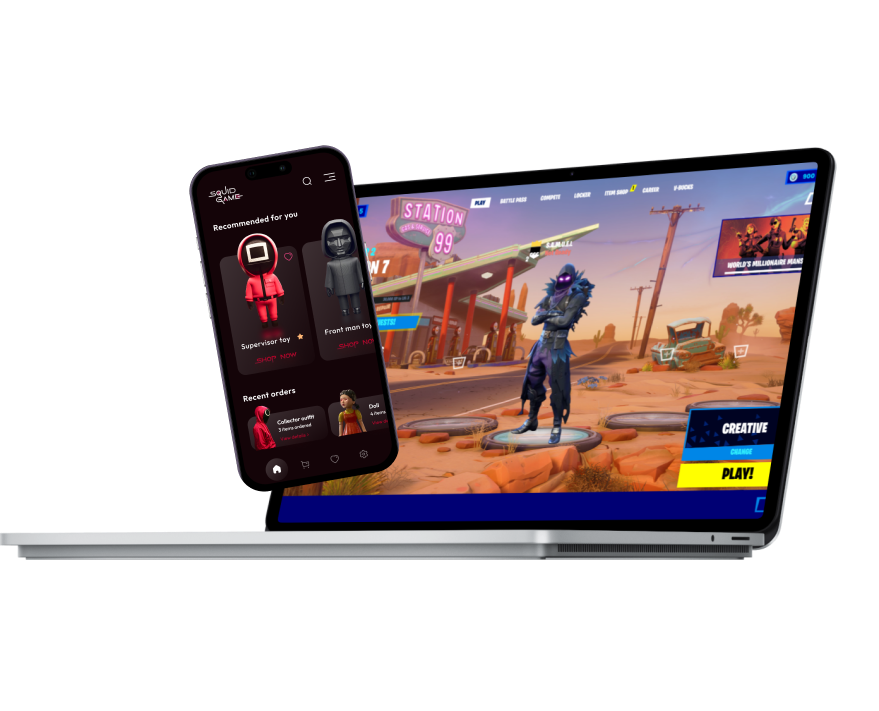
Imagine a world where gamers on Play Station, Xbox, and PC could all play together seamlessly. That's the promise of crossplay, but how do game developers ensure they're fairly compensated for offering this unified experience? It's a complex puzzle with many pieces, and getting it right is crucial for the future of gaming.
The challenge lies in creating a system where everyone benefits. Developers want to generate revenue, platform holders need to maintain their ecosystems, and players expect a fair and consistent experience regardless of their chosen device. Balancing these often-competing priorities requires careful planning and innovative solutions. Ensuring features and content are equally valuable and available across all platforms presents additional hurdles.
This article explores the strategies developers are using to monetize cross-platform games while maintaining a fair and engaging experience for all players. We'll delve into different approaches, from unified in-game currencies to platform-specific cosmetic items, examining the pros and cons of each. The goal is to provide a comprehensive overview of the current landscape of crossplay monetization, helping developers and players alike understand the complexities and opportunities involved.
In this exploration of crossplay monetization strategies, we've uncovered various methods for generating revenue in cross-platform gaming environments. These include unified currencies, platform-specific content, battle passes, and subscription models. The key to successful crossplay monetization lies in finding a balance between generating revenue, maintaining a fair playing field, and providing value to players across all platforms. Understanding these strategies is essential for developers navigating the complexities of the modern gaming landscape and for players seeking to understand the economic forces at play.
The Allure of Unified Currencies
Unified currencies, like gems or coins, are often presented as the holy grail of crossplay monetization. They allow players to purchase in-game items and content regardless of their platform, seemingly simplifying the process. I remember when Rocket League first went crossplay; it was a breath of fresh air to finally use my accumulated credits earned on PC to customize my car on my Switch. It felt truly unified. But beneath the surface, issues often arise. For instance, platform holders like Sony, Microsoft, and Nintendo each have their own ecosystems and payment processing systems. Agreeing on a revenue split for these unified currencies can be a significant negotiation. Imagine a player buying coins on their i Phone and then using them on their Play Station. Which company gets the cut? These logistical challenges often require custom deals and complex accounting. Additionally, exchange rates and regional pricing differences further complicate the picture. What seems straightforward on the surface requires careful planning and execution to avoid frustration and inequity. Successful implementation necessitates a transparent and fair system where value is maintained across all platforms. Furthermore, these currencies must be versatile enough to cater to a wide range of items and features within the game, ensuring they remain relevant and desirable.
Platform-Specific Cosmetic Items
Platform-specific cosmetic items are a common way to incentivize players to engage within a particular ecosystem. Imagine a Play Station exclusive skin or an Xbox-themed weapon. This approach allows platform holders to offer unique value to their subscribers and build loyalty. However, it also creates a sense of disparity among players. Those on other platforms might feel like they're missing out on exclusive content. The key to successful implementation is ensuring these items are cosmetic only and don't provide any gameplay advantage. A balance must be struck between rewarding platform loyalty and alienating players on other systems. This strategy is appealing because it aligns with the established business models of platform holders. It also offers a tangible incentive for players to choose a particular platform for their gaming needs. However, it's crucial to communicate the availability of these items clearly and transparently to avoid confusion and resentment. When done correctly, it can boost player engagement and platform affinity, creating a win-win scenario for both developers and platform holders.
The History and Myth of Battle Passes
The battle pass has become a ubiquitous feature in modern gaming, offering a tiered reward system that incentivizes players to grind through challenges and unlock exclusive content. Its origins can be traced back to games like Dota 2, where the "Compendium" offered rewards based on community goals and individual progression. The myth surrounding battle passes is that they are a guaranteed revenue stream. While successful battle passes can generate significant income, they require careful planning and execution. The rewards must be compelling enough to entice players to purchase the pass, and the challenges must be engaging without feeling overly grindy or repetitive. Furthermore, the pass needs to offer a sense of progression and accomplishment, rewarding players for their time and effort. A poorly designed battle pass can lead to player frustration and ultimately damage the game's reputation. The key to success lies in balancing the difficulty of challenges with the value of rewards, ensuring that players feel their investment is worthwhile. The frequency of new battle passes also plays a crucial role; too frequent, and players may feel overwhelmed; too infrequent, and they may lose interest. The myth of the battle pass as a magic money tree must be dispelled, replaced with a realistic understanding of the effort and planning required to create a successful and engaging system.
Unveiling the Hidden Secrets of Subscription Models
Subscription models, such as monthly passes or premium memberships, offer a recurring revenue stream for developers. These models typically provide access to exclusive content, bonus features, or faster progression. The hidden secret to a successful subscription model lies in consistently delivering value to subscribers. Players must feel that they are receiving benefits that justify the recurring cost. This could include exclusive items, early access to content, or enhanced gameplay features. Without a constant stream of compelling content, players are likely to cancel their subscriptions, leading to a decline in revenue. The challenge lies in balancing the needs of subscribers with the needs of the wider player base. It's crucial to avoid creating a pay-to-win scenario where subscribers have a significant advantage over non-subscribers. Instead, the focus should be on providing quality-of-life improvements, exclusive cosmetic items, or access to additional content that enhances the overall gaming experience. Transparency and clear communication are also essential. Players need to understand exactly what they are getting for their subscription fee and how it benefits them. By focusing on value, transparency, and a fair balance between subscribers and non-subscribers, developers can unlock the hidden potential of subscription models.
Recommended Strategies for Crossplay Monetization
When it comes to crossplay monetization, there's no one-size-fits-all solution. However, a blended approach often yields the best results. This involves combining different strategies to create a balanced ecosystem that caters to a wide range of players. For example, a game might offer a unified in-game currency for purchasing cosmetic items, platform-specific content to incentivize platform loyalty, and a battle pass to reward engagement and progression. The key is to carefully consider the game's target audience, genre, and platform distribution. A mobile game might benefit from a more aggressive monetization strategy, while a console game might prioritize a more player-friendly approach. It's also crucial to monitor player feedback and adjust the monetization strategy accordingly. What works in theory might not work in practice, so it's essential to be flexible and responsive to player needs. A recommended strategy is to start with a minimal monetization approach and gradually introduce new features based on player feedback and data analysis. This allows developers to test the waters and avoid alienating players with overly aggressive or unfair monetization tactics. The most successful crossplay games are those that prioritize player enjoyment and create a fair and balanced ecosystem that benefits both developers and players.
Balancing Revenue and Player Experience
The core challenge of crossplay monetization is striking a balance between generating revenue and maintaining a positive player experience. Aggressive monetization tactics, such as pay-to-win mechanics or excessive microtransactions, can alienate players and damage the game's reputation. Conversely, a lack of monetization can lead to financial instability and hinder the game's long-term development. The key is to find a sweet spot where players feel that they are getting good value for their money and that the monetization is not intrusive or unfair. This often involves offering a variety of monetization options, such as cosmetic items, battle passes, and subscription models, that cater to different player preferences. It's also crucial to listen to player feedback and adjust the monetization strategy accordingly. Regular surveys, community forums, and social media channels can provide valuable insights into player sentiment and help developers identify potential issues. Transparency is also essential. Players need to understand exactly how the game is being monetized and how it impacts the gameplay experience. Clear communication and a willingness to address player concerns can build trust and foster a positive relationship between developers and players.
Tips for Successful Crossplay Monetization
Successful crossplay monetization hinges on several key factors. First and foremost, understand your audience. What are their spending habits? What are their expectations? Tailor your monetization strategy to align with their preferences. Secondly, prioritize fairness. Avoid pay-to-win mechanics that give paying players an unfair advantage. Focus on cosmetic items, quality-of-life improvements, or exclusive content that doesn't impact gameplay balance. Thirdly, embrace transparency. Clearly communicate your monetization strategy to players. Explain how the game is being funded and how the monetization impacts the gameplay experience. Fourthly, monitor player feedback. Pay attention to what players are saying on social media, forums, and in-game surveys. Use this feedback to adjust your monetization strategy and address any concerns. Fifthly, experiment with different monetization models. Try different approaches and see what works best for your game. Don't be afraid to iterate and refine your strategy based on data and player feedback. Lastly, remember that monetization is a means to an end, not the end itself. The ultimate goal is to create a fun, engaging, and sustainable gaming experience for all players.
Leveraging Data Analytics for Monetization Optimization
Data analytics is an indispensable tool for optimizing crossplay monetization strategies. By tracking player behavior, spending habits, and engagement metrics, developers can gain valuable insights into what's working and what's not. This data can be used to identify potential issues, refine monetization tactics, and personalize the player experience. For example, data analytics can reveal which cosmetic items are most popular, which challenges are most engaging, and which players are most likely to purchase a battle pass. This information can be used to tailor the game's content, pricing, and marketing efforts to maximize revenue. Data analytics can also help developers identify potential cheaters, scammers, and other malicious actors who may be disrupting the game's economy. By monitoring in-game transactions and player behavior, developers can detect and prevent fraudulent activities, ensuring a fair and balanced playing field for all players. However, it's crucial to use data analytics responsibly and ethically. Players should be informed about what data is being collected and how it's being used. Privacy settings and opt-out options should be provided to allow players to control their data. Transparency and respect for player privacy are essential for building trust and maintaining a positive relationship between developers and players.
Fun Facts About Crossplay Monetization
Did you know that the first successful implementation of crossplay with a shared economy was arguably Puzzle Pirates in 2003? While not as visually stunning as modern games, it allowed players on different operating systems to interact and trade within the same virtual world. Another fun fact is that Fortnite's crossplay success significantly boosted the popularity of crossplay itself, prompting other developers to embrace the feature. However, Fortnite's initial monetization model, focused on cosmetic items, also set a precedent for fair and non-intrusive monetization in crossplay environments. Furthermore, the rise of cloud gaming platforms like Xbox Cloud Gaming and Play Station Plus Premium are expected to further accelerate the adoption of crossplay, as they allow players to access games on a wider range of devices. These platforms will likely introduce new monetization challenges and opportunities, as developers will need to adapt their strategies to accommodate the unique features of cloud gaming. The future of crossplay monetization is likely to be shaped by these emerging technologies and the evolving expectations of players.
How to Implement Crossplay Monetization
Implementing crossplay monetization requires careful planning and coordination. The first step is to establish a clear vision for the game's economy and monetization strategy. This involves defining the game's core monetization mechanics, such as in-game currencies, cosmetic items, battle passes, and subscription models. The next step is to integrate these mechanics seamlessly into the game's crossplay infrastructure. This requires working closely with platform holders to ensure compatibility and compliance with their respective guidelines and policies. It's also crucial to implement robust security measures to prevent cheating, fraud, and other malicious activities that could disrupt the game's economy. Player data should be protected through encryption and secure server infrastructure. Implementing in-game moderation tools and community management protocols can also help maintain a positive and fair environment for all players. Regular monitoring of in-game transactions and player behavior can also reveal and prevent fraudulent behavior. Furthermore, transparent communication with players regarding the monetization strategy and any changes to the system is essential for building trust and ensuring a positive experience.
What If Crossplay Monetization Fails?
Failure to properly monetize crossplay can have significant consequences. If the monetization strategy is too aggressive or unfair, it can alienate players, leading to a decline in player engagement and revenue. This can ultimately jeopardize the game's long-term viability. If the monetization strategy is too weak, the game may not generate enough revenue to sustain its development, leading to cutbacks in content updates, bug fixes, and other essential features. The game may eventually become abandoned or shut down altogether. A failed crossplay monetization can also damage the developer's reputation. Players may lose trust in the developer and become less likely to purchase their future games. This can have a long-lasting impact on the developer's brand and business. The consequences of failed crossplay monetization highlight the importance of careful planning, thoughtful implementation, and ongoing monitoring. A balanced and player-friendly monetization strategy is essential for ensuring the long-term success of crossplay games.
Listicle: Top 5 Crossplay Monetization Strategies
Here's a listicle outlining the top five crossplay monetization strategies. 1. Unified In-Game Currency: Allows players to purchase items across all platforms, simplifying transactions and promoting consistency. However, requires complex revenue sharing agreements with platform holders.
2. Platform-Specific Cosmetic Items: Incentivizes platform loyalty and provides unique value to subscribers. However, may create disparity among players.
3. Battle Passes: Offers tiered rewards for completing challenges and progressing through the game. Requires compelling rewards and engaging challenges.
4. Subscription Models: Provides recurring revenue through monthly or annual fees. Requires consistent delivery of value and exclusive content.
5. In-App Purchases: Offers a variety of items and features for purchase within the game. Requires careful balancing to avoid pay-to-win mechanics. These strategies are not mutually exclusive and can be combined to create a balanced and effective monetization approach. Each strategy has its own set of advantages and disadvantages, so it's essential to carefully consider the game's target audience and platform distribution when choosing a monetization model.
Question and Answer
Q: What is the biggest challenge in crossplay monetization?
A: The biggest challenge is balancing the needs of developers, platform holders, and players. Developers want to generate revenue, platform holders want to maintain their ecosystems, and players want a fair and consistent experience. Finding a balance that satisfies all three groups is essential for successful crossplay monetization.
Q: How can developers avoid pay-to-win mechanics in crossplay games?
A: Developers can avoid pay-to-win mechanics by focusing on cosmetic items, quality-of-life improvements, or exclusive content that doesn't impact gameplay balance. Avoid selling items that give paying players an unfair advantage.
Q: What role does data analytics play in crossplay monetization?
A: Data analytics provides valuable insights into player behavior, spending habits, and engagement metrics. This data can be used to optimize monetization tactics, personalize the player experience, and identify potential issues.
Q: What is the future of crossplay monetization?
A: The future of crossplay monetization is likely to be shaped by emerging technologies such as cloud gaming and the evolving expectations of players. Developers will need to adapt their strategies to accommodate these changes and continue to prioritize a fair and balanced gaming experience for all players.
Conclusion of Crossplay Monetization Strategies: Revenue for Cross-Platform Gaming
Navigating the world of crossplay monetization is a challenging but rewarding endeavor. By understanding the various strategies available, prioritizing fairness, and leveraging data analytics, developers can create sustainable and engaging cross-platform gaming experiences that benefit everyone involved. The key is to remember that monetization is a tool, not a goal. The ultimate goal should always be to create a fun, fair, and rewarding gaming experience for all players, regardless of their chosen platform.
Post a Comment