Crossplay Matchmaking: Player Matching in Cross-Platform Games
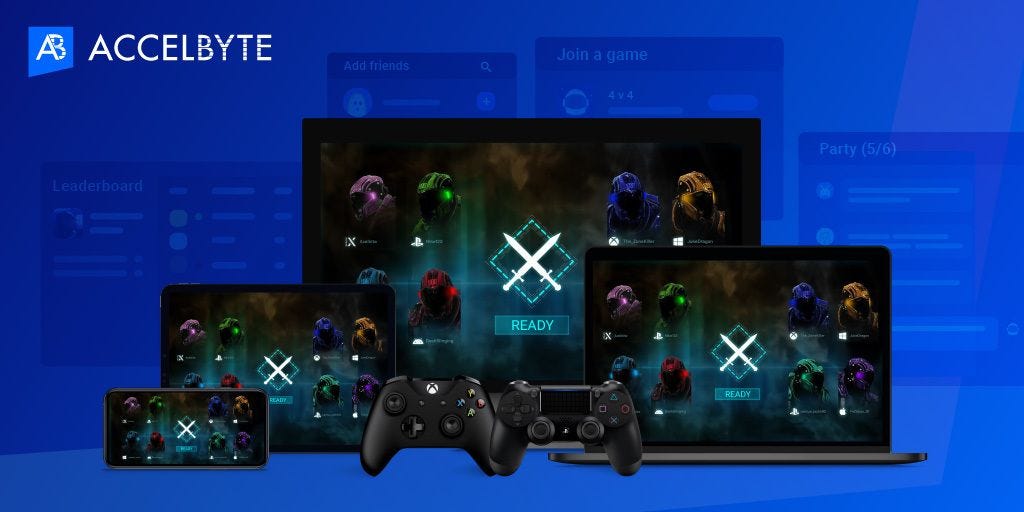
Imagine a world where your gaming friends aren't limited by their choice of console or PC. Crossplay aims to break down those walls, uniting players across different platforms in the same virtual arena. But how do you ensure a fair and enjoyable experience when a PC gamer with a mouse and keyboard is matched against a console player using a controller?
Bringing players together across platforms sounds amazing in theory, but the reality can be a mixed bag. Some players worry about unfair advantages due to different control schemes. Others are concerned about potentially toxic interactions between communities that have traditionally been separate. And then there's the technical challenge of ensuring a smooth and stable experience for everyone, regardless of their platform.
This article delves into the world of crossplay matchmaking, exploring the strategies and technologies used to connect players across different platforms while striving for balanced and enjoyable gameplay. We'll examine the challenges involved, the solutions being implemented, and the future of cross-platform gaming. Join us as we navigate the complexities of bringing gamers together, no matter where they play.
In this post, we've covered the basics of crossplay matchmaking, the challenges it presents, and some of the ways developers are working to overcome those challenges. From input-based matchmaking to skill-based matchmaking that prioritizes fairness, the world of cross-platform gaming is constantly evolving. Key concepts include crossplay, matchmaking, platform parity, input methods, and player experience. Let's dive deeper into specific aspects of this exciting field.
The Personal Touch: My Crossplay Awakening
My first real experience with crossplay was a bit of a baptism by fire. I'd always been a PC gamer, comfortable with my mouse and keyboard, and generally felt like I had a decent handle on most shooters. Then a friend convinced me to try a game with crossplay enabled. Suddenly, I was facing off against console players for the first time, and let me tell you, the learning curve was steep! At first, I attributed my poor performance to just being rusty, but after a while, I started to notice patterns. In close-quarters combat, the console players seemed to have an edge, with their aim assist and more intuitive controller setups. Meanwhile, at longer ranges, my mouse and keyboard precision allowed me to pick them off with greater ease. This initial frustration led me to start researching crossplay matchmaking and how developers try to balance these inherent differences. It opened my eyes to the complexities involved and made me appreciate the effort that goes into creating a fair and enjoyable experience for everyone. Input-based matchmaking, for example, is a clever way to address the control scheme disparity. It tries to group players using similar input devices, like matching controller players with other controller players, regardless of their platform. Skill-based matchmaking (SBMM) also plays a crucial role, attempting to place players of similar skill levels together, which can help mitigate the advantage that some players might have due to their platform or input method. Ultimately, my initial frustration turned into a deeper understanding and appreciation for the challenges and potential of crossplay. It's a constant balancing act, but when it works well, it can create truly amazing and diverse gaming experiences.
What Exactly Is Crossplay Matchmaking?
Crossplay matchmaking is the process of pairing players from different gaming platforms together in the same online multiplayer game. It's the engine that makes cross-platform play possible. The goal is simple: to allow players on PC, Play Station, Xbox, Nintendo Switch, and even mobile devices to connect and compete with each other seamlessly. However, achieving this is far from simple. Several factors need to be considered, including input methods (mouse and keyboard vs. controller), hardware performance (PC vs. console), and network latency. A well-designed crossplay matchmaking system takes all these factors into account to create balanced and enjoyable matches. It might, for instance, prioritize matching players using the same input method or adjust skill ratings to compensate for the perceived advantage of one platform over another. The ideal outcome is a level playing field where skill is the primary determinant of success, not the hardware or platform being used. This involves sophisticated algorithms that analyze player data, including skill level, ping, input method, and even play style, to find the most suitable opponents. It’s a dynamic and ever-evolving process, as developers constantly tweak their matchmaking systems to optimize the player experience. As crossplay becomes increasingly common, the sophistication and effectiveness of these matchmaking systems will become even more critical to the success of cross-platform gaming.
The History and Myths of Crossplay Matchmaking
The dream of crossplay has been around for a long time, but its realization has been a slow and often bumpy road. Early attempts at cross-platform play were often hampered by technical limitations and platform wars. The myth that crossplay was simply "impossible" due to fundamental differences between systems persisted for years. However, with advances in networking technology and a growing desire among players for platform unity, the tides began to turn. Games like "Rocket League" and "Fortnite" demonstrated the potential of crossplay, showing that it could be technically feasible and incredibly popular. These successes helped to dispel the myth that crossplay was inherently unfair or technically unachievable. They also paved the way for more developers to embrace cross-platform play and invest in the necessary matchmaking infrastructure. The narrative shifted from "can we do it?" to "how can we do it best?". Today, crossplay is becoming increasingly commonplace, but the challenges remain. Balancing different input methods, addressing platform-specific performance issues, and managing community expectations are all ongoing concerns. The history of crossplay is a story of overcoming technical and political obstacles to create a more connected and inclusive gaming ecosystem. It's a testament to the power of player demand and the ingenuity of developers who are willing to push the boundaries of what's possible.
The Hidden Secrets of Crossplay Matchmaking
One of the lesser-known aspects of crossplay matchmaking is the use of data analytics to fine-tune the player experience. Behind the scenes, developers are constantly collecting and analyzing data on player performance, match outcomes, and even player behavior. This data is then used to adjust matchmaking algorithms, identify potential imbalances, and even detect cheating. For example, if the data reveals that PC players with high frame rates consistently outperform console players, developers might implement measures to mitigate this advantage, such as limiting frame rates or adjusting skill ratings. Similarly, if certain input methods are consistently associated with higher win rates, developers might explore input-based matchmaking or other balancing mechanisms. This constant cycle of data collection, analysis, and adjustment is crucial to maintaining a fair and enjoyable crossplay environment. It's a hidden layer of complexity that most players never see, but it plays a vital role in shaping their gaming experience. Furthermore, some developers are experimenting with AI-powered matchmaking systems that can learn and adapt to player behavior in real-time. These systems can identify patterns that might be missed by traditional algorithms and make adjustments on the fly to create more balanced and engaging matches. The hidden secret of crossplay matchmaking is that it's not just about connecting players across platforms; it's about constantly learning and adapting to ensure a fair and fun experience for everyone.
Recommendations for Awesome Crossplay Matchmaking
If you're a developer looking to implement crossplay matchmaking, or simply a player interested in understanding what makes for a good system, here are a few recommendations. First and foremost, prioritize fairness. Input-based matchmaking, skill-based matchmaking, and performance-based adjustments are all essential tools for creating a level playing field. Secondly, be transparent with your player base. Explain how your matchmaking system works and why certain decisions were made. This can help to build trust and reduce frustration. Thirdly, listen to player feedback. Pay attention to what players are saying about their experiences and use that feedback to improve your matchmaking system. Finally, don't be afraid to experiment. Crossplay matchmaking is a constantly evolving field, and there's no one-size-fits-all solution. Try different approaches and see what works best for your game and your community. Consider also implementing options that allow players to opt-in or opt-out of crossplay. Some players prefer to play only with others on their own platform, and giving them that choice can improve their overall experience. Furthermore, ensure your servers are robust and can handle the increased load of cross-platform play. Network latency is a critical factor in online gaming, and a poorly optimized server can ruin the experience for everyone. By following these recommendations, you can create a crossplay matchmaking system that is both fair and enjoyable, bringing players together from different platforms and fostering a vibrant and inclusive gaming community.
The Nitty-Gritty Details
Let's get into some of the more technical aspects of crossplay matchmaking. One key challenge is handling different network protocols and data formats across platforms. Each platform has its own unique way of communicating over the internet, and a crossplay matchmaking system needs to be able to translate between these different protocols seamlessly. This often involves using a centralized server as an intermediary, which can add complexity and latency. Another challenge is dealing with different hardware capabilities. PCs, for example, typically have more powerful processors and graphics cards than consoles, which can give PC players an advantage in terms of frame rates and visual fidelity. To address this, developers might implement graphical settings that allow console players to reduce their graphics quality to improve performance. They might also cap frame rates on PC to create a more level playing field. Security is another important consideration. Crossplay opens up new avenues for cheating and hacking, as players from different platforms might have different levels of security. Developers need to implement robust anti-cheat measures to protect their games from exploitation. Finally, crossplay matchmaking needs to be scalable. As more players join the game, the system needs to be able to handle the increased load without sacrificing performance or fairness. This often involves using cloud-based infrastructure and sophisticated load balancing algorithms. Overcoming these technical challenges is essential for creating a successful and sustainable crossplay environment. It requires a deep understanding of networking, hardware, and security, as well as a commitment to ongoing monitoring and optimization.
Pro Tips for Crossplay Domination
Want to become a crossplay master? Here are a few tips to help you dominate the competition, regardless of your platform. First, master your input method. Whether you're using a mouse and keyboard or a controller, practice your aim, movement, and reflexes until they become second nature. Second, learn the maps. Knowing the layouts, chokepoints, and power positions can give you a significant advantage. Third, communicate effectively with your teammates. Even if you're playing with strangers, clear communication can make a huge difference. Use voice chat or text chat to coordinate your attacks, call out enemy positions, and share information. Fourth, adapt to different playstyles. Console players tend to be more aggressive and rely on close-quarters combat, while PC players tend to be more strategic and focus on long-range engagements. Adjust your playstyle accordingly. Fifth, be patient. Crossplay matchmaking can sometimes be uneven, and you might encounter opponents who are much better than you. Don't get discouraged. Learn from your mistakes and keep practicing. Finally, remember to have fun! Crossplay is all about bringing players together, so enjoy the opportunity to play with new people and experience different perspectives. Furthermore, take advantage of any crossplay-specific settings or features that the game offers. Some games allow you to filter your matchmaking preferences to only play with players using the same input method or on the same platform. Use these settings to customize your experience and optimize your chances of success. By following these tips, you can become a force to be reckoned with in the crossplay arena.
Understanding Skill-Based Matchmaking (SBMM)
Skill-based matchmaking (SBMM) is a cornerstone of fair crossplay. The core idea behind SBMM is to group players of similar skill levels together, creating matches that are both challenging and rewarding. This is typically achieved by assigning each player a skill rating or matchmaking rating (MMR), which is a numerical representation of their skill level. The SBMM system then uses these ratings to create matches, attempting to minimize the difference in MMR between players. However, SBMM is not without its challenges. One common criticism is that it can lead to longer matchmaking times, especially for players with very high or very low MMRs. Another concern is that it can create a "sweaty" or overly competitive environment, where every match feels like a high-stakes tournament. To address these concerns, developers often use a variety of techniques to fine-tune their SBMM systems. These might include widening the MMR range for matchmaking, prioritizing connection quality over skill level, or even temporarily disabling SBMM altogether during certain times of the day. Furthermore, some developers are experimenting with adaptive SBMM systems that can adjust the matchmaking parameters based on player behavior. For example, if a player is on a losing streak, the system might temporarily lower their MMR to give them a better chance of winning. Ultimately, the goal of SBMM is to create a fair and enjoyable experience for all players, but it's a complex and constantly evolving field with no easy solutions.
Fun Facts About Crossplay Matchmaking
Did you know that the first true example of cross-platform play dates back to 2002 with the game "Bomberman Online" on Dreamcast and PC? Or that some developers use machine learning to predict player behavior and optimize matchmaking in real-time? It's true! The world of crossplay matchmaking is full of fascinating trivia. Another fun fact: the term "crossplay" itself wasn't widely used until the late 2010s, when games like "Fortnite" and "Rocket League" popularized the concept. Before that, cross-platform play was often referred to as "platform interoperability" or simply "online multiplayer." And here's a quirky one: some games actually adjust the in-game physics or weapon damage based on the platform being used to compensate for differences in hardware performance. For example, a weapon might deal slightly more damage on a console to offset the potential advantage of a PC player with a higher frame rate. The evolution of crossplay matchmaking is also a testament to the power of community demand. For years, players have been clamoring for the ability to play with their friends regardless of their platform, and developers have finally started to listen. The future of crossplay is bright, with more and more games embracing cross-platform play and pushing the boundaries of what's possible. Who knows, maybe one day we'll even see full cross-platform compatibility across all major gaming platforms!
How to Enable Crossplay Matchmaking
Enabling crossplay matchmaking is usually a straightforward process, but it varies slightly depending on the game and the platform. In most cases, you'll find a crossplay setting in the game's options menu. This setting might be labeled as "crossplay," "cross-platform play," or something similar. Simply toggle the setting to "on" or "enabled" to allow the game to match you with players from other platforms. However, keep in mind that some games might require you to create or link an account with a specific service (like Epic Games or Ubisoft Connect) in order to enable crossplay. This is often done to facilitate friend requests and matchmaking across different platforms. It's also worth noting that some games might have different crossplay settings for different game modes. For example, you might be able to enable crossplay for casual matches but disable it for ranked or competitive matches. If you're having trouble enabling crossplay, consult the game's documentation or online forums for specific instructions. Also, remember that some platforms (like Play Station and Xbox) require you to have an active online subscription (like Play Station Plus or Xbox Live Gold) to access online multiplayer features, including crossplay. Once you've enabled crossplay, the game will automatically start matching you with players from other platforms. You might notice a small icon or symbol next to other players' names to indicate their platform, but otherwise, the gameplay experience should be seamless.
What If Crossplay Matchmaking Goes Wrong?
Even with the best intentions and the most sophisticated algorithms, crossplay matchmaking can sometimes go wrong. Players might experience unbalanced matches, long queue times, or even technical glitches. So, what happens then? One common issue is "stomp matches," where one team or player is significantly more skilled than the other. This can happen due to inaccuracies in the SBMM system or simply because of the inherent randomness of matchmaking. In these situations, it's important to remember that not every match can be perfectly balanced. However, if stomp matches are happening frequently, it might be a sign that the SBMM system needs to be adjusted. Another potential problem is long queue times. This can happen when the player pool is small or when the SBMM system is too restrictive. To address this, developers might widen the MMR range for matchmaking or implement "queue pop" features that prioritize getting players into a match quickly, even if it means sacrificing some degree of balance. Technical glitches can also occur, such as matchmaking errors, server disconnects, or input lag. These issues can be frustrating, but they're often temporary and can be resolved by restarting the game or checking your internet connection. If you're consistently experiencing technical problems, contact the game's support team for assistance. Ultimately, dealing with the challenges of crossplay matchmaking requires patience, understanding, and a willingness to work with the developers to improve the experience. By reporting bugs, providing feedback, and participating in community discussions, you can help to make crossplay a better experience for everyone.
Top 5 Crossplay Matchmaking Wins and Fails
Let's take a look at some examples of crossplay matchmaking done well and, well, not so well.
Wins:
- Fortnite*: Its early implementation of crossplay between PC, consoles, and mobile devices was revolutionary and set a new standard for the industry.
- Rocket League*: Its seamless crossplay experience, coupled with its fast-paced and accessible gameplay, made it a huge hit with players on all platforms.
- Call of Duty: Warzone*: Its crossplay implementation is generally well-balanced, with input-based matchmaking helping to mitigate the advantages of PC players.
- Apex Legends*: The game offers crossplay between consoles, and while PC players are kept separate from consoles for the most part, it is done to balance the controller vs mouse and keyboard issue.
- Minecraft*: Crossplay allows players on different platforms to collaborate and build together in the same virtual world, fostering a sense of community.
Fails:
- Friday the 13th: The Game*: While crossplay was planned, technical issues and legal battles prevented it from ever being fully implemented, leaving players disappointed.
- Sea of Thieves*: While crossplay exists between Xbox and PC, some players have complained about the perceived advantage of PC players, leading to calls for platform-specific matchmaking options.
- Dead by Daylight*: A crossplay option exists but is not always stable or fair due to the platform differences.
- Genshin Impact*: The game has cross-progression which allows the game to be played on different platforms seamlessly but there is not cross-play.
- Dauntless*: Although they have cross-progression they've encountered several issues and bugs that have resulted in several disappointing experiences for their player base.
Question and Answer about Crossplay Matchmaking: Player Matching in Cross-Platform Games
Here are some frequently asked questions about crossplay matchmaking:
Q: Is crossplay always fair?
A: Not necessarily. Differences in input methods, hardware performance, and network latency can create imbalances. However, developers are constantly working to mitigate these issues through input-based matchmaking, skill-based matchmaking, and other balancing mechanisms.
Q: Can I disable crossplay?
A: In most games, yes. You can usually find a crossplay setting in the game's options menu. Disabling crossplay will restrict your matchmaking pool to players on your own platform.
Q: Does crossplay affect matchmaking times?
A: It can. Enabling crossplay generally increases the size of the matchmaking pool, which can lead to shorter queue times. However, if the crossplay implementation is poorly optimized, it can also lead to longer queue times or connection issues.
Q: How do I report a cheater in a crossplay game?
A: The process for reporting cheaters varies depending on the game and the platform. In most cases, you can report a player through the game's reporting system or by contacting the game's support team. Be sure to provide as much information as possible, including the player's username, the platform they were playing on, and a description of the cheating behavior.
Conclusion of Crossplay Matchmaking: Player Matching in Cross-Platform Games
Crossplay matchmaking is a complex and constantly evolving field that aims to unite players across different gaming platforms. While it presents numerous challenges, including balancing input methods, addressing hardware disparities, and ensuring fair play, the potential benefits are immense. By breaking down platform barriers, crossplay can foster larger and more diverse gaming communities, reduce matchmaking times, and create more exciting and engaging gameplay experiences. As technology continues to advance and developers become more adept at implementing cross-platform solutions, we can expect to see crossplay become an increasingly common feature in online multiplayer games. The future of gaming is connected, and crossplay matchmaking is playing a crucial role in bringing that vision to life.
Post a Comment